
Solar Windmill Stakes for Kinetic Garden Lighting
 Maya ChenContributing Editor
August 1, 2026. This evaluation explores the technical integration of solar kinetic wind spinners with lights into residential landscapes. It is written for homeowners seeking to move beyond static garden ornaments toward dynamic, energy-independent lighting solutions.
The Limitations of Static Garden Decor
The conventional wisdom says that garden lighting should be stationary to provide a predictable path for the eye. However, this approach ignores the psychological and aesthetic benefits of movement within a landscape. Most consumers purchasing unique solar yard art gifts are looking for more than just a localized glow; they are seeking a focal point that interacts with the environment. Traditional outdoor lighting often fails because it remains static during the day and becomes a mere utility at night. Here's the part nobody talks about: static lights often create harsh shadows that can make a small yard feel claustrophobic rather than expansive. When examining outdoor windmill decor with lights outdoor, the primary value proposition is the conversion of wind energy into visual interest. Without this kinetic component, a garden ornament is simply taking up space without contributing to the overall flow of the outdoor area. Many landscape designers lean on heavy, wired installations that cost thousands in labor and materials, yet these systems provide zero interactivity. I'll change my mind when a wired spotlight can mimic the organic, oscillating patterns of a wind-driven blade.
Engineering Motion with Solar Windmill Stakes
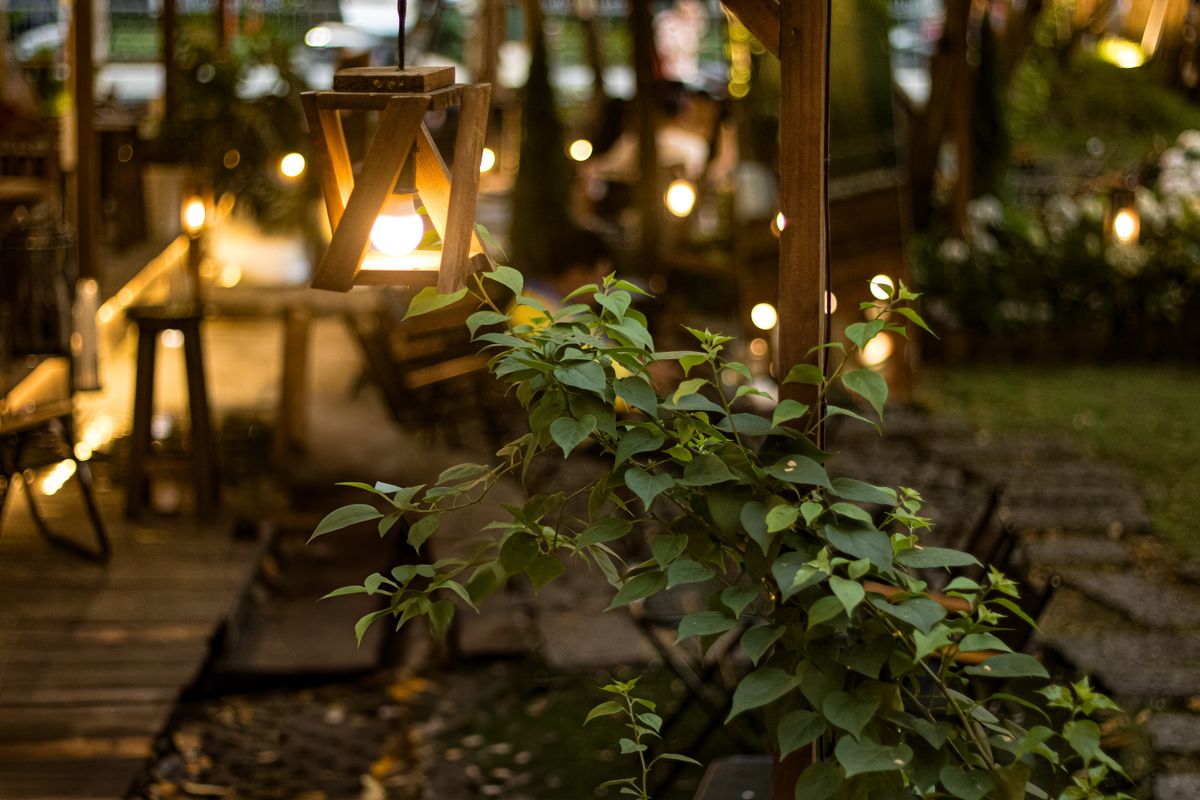
Photo by Duy's House of Photo on Pexels
Solar Windmill Stakes address the stagnation of traditional yard art by utilizing dual-axis rotation powered by ambient wind currents. Unlike typical light up garden windmills for patio use cases that rely on small, inefficient photodetectors, these units are designed to capture solar energy across a broader surface area to power integrated LEDs. The mechanics are straightforward: the wind provides the kinetic motion, while the solar panel charges a battery that triggers illumination at dusk. This dual-functionality ensures the piece is relevant 24 hours a day. Run the math: a standard wired garden light consumes approximately 10 to 20 watts per hour, whereas a solar-powered kinetic spinner operates at a net-zero energy cost while providing both motion and light. The integration of outdoor windmill decor with lights outdoor into a property isn't just about aesthetics; it is about utilizing the available natural resources—wind and sun—to eliminate the need for external power sources. For those considering unique solar yard art gifts, the longevity of the internal bearing system is the critical metric, as it determines how much wind resistance is required to initiate rotation. Solar Windmill Stakes are engineered to activate even in low-wind environments, ensuring that the visual movement is consistent rather than sporadic.
Assessing Kinetic Quality and Placement
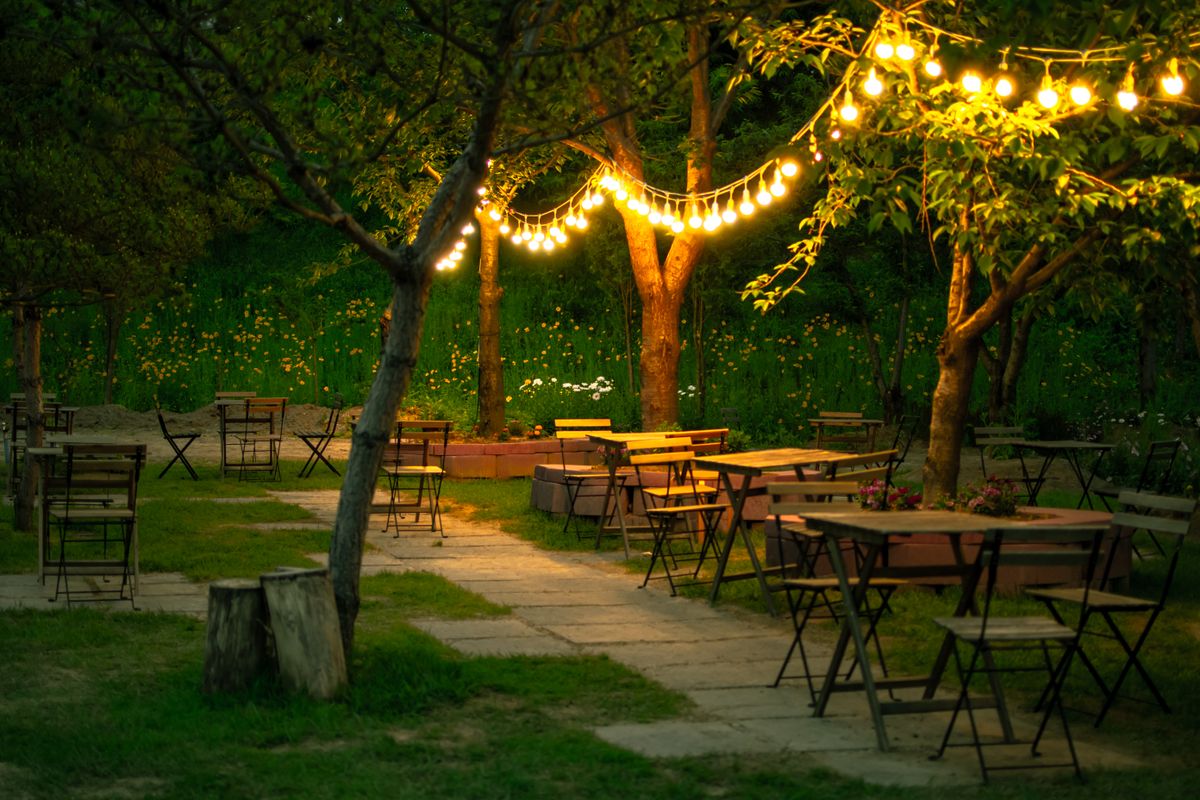
Photo by Constantine Kim on Pexels
Choosing the right kinetic spinner requires a departure from purely decorative thinking toward a more functional assessment of your yard's microclimate. Before committing to light up garden windmills for patio, you must analyze the wind corridors created by your home's structure and surrounding foliage. A windmill placed in a dead zone will fail to provide the kinetic benefits promised, regardless of its build quality. When evaluating Solar Windmill Stakes, look for the following technical indicators:
- Rotational Sensitivity: The blades should begin moving at wind speeds as low as 3-5 mph.
- Solar Surface Area: The panel must be positioned to receive at least 6 hours of direct sunlight for full nighttime illumination.
- Material Durability: Powder-coated steel or treated metals are necessary to prevent oxidation in high-moisture environments.
- Bearing Type: Sealed ball bearings offer the lowest friction and longest lifespan for kinetic motion.
- Light Temperature: LEDs should be calibrated to a warm spectrum to avoid the clinical look of cheap solar alternatives.
Shop Solar Windmill Stakes here