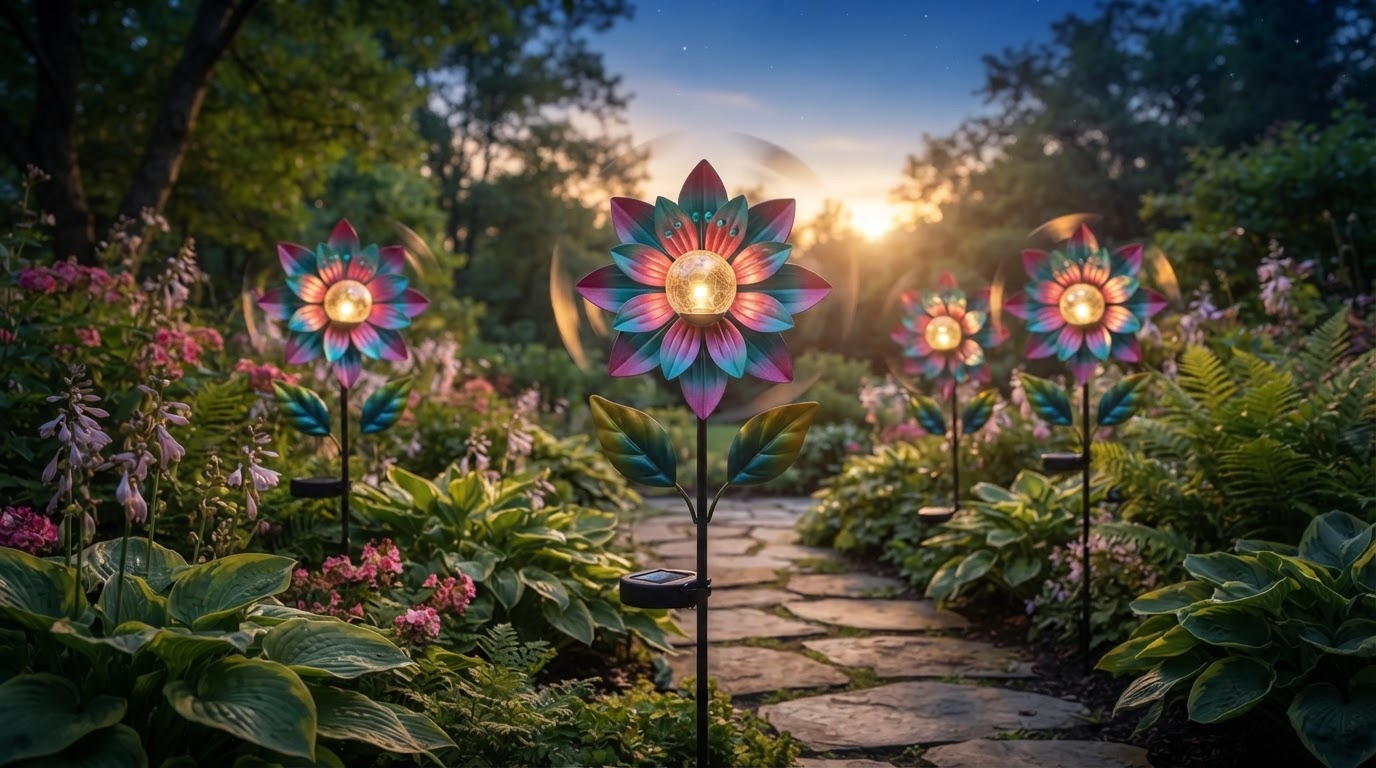
How do Solar Windmill Stakes generate light and motion?
 Jordan HaleStaff Writer
August 26, 2026 — Solar Windmill Stakes function by converting sunlight into electrical energy via integrated photovoltaic cells, which is then stored in a rechargeable battery to power LED illumination and assist kinetic rotation during low-light conditions.
The first thing I noticed was the silence of the assembly; standing in the garden at dusk, these units bridge the gap between mechanical engineering and aesthetic design. Homeowners increasingly seek decorative solar windmills for garden use to provide both visual interest and reliable perimeter lighting without the complexity of hardwired electrical systems.
How is solar energy converted into light in these stakes?
Solar Windmill Stakes utilize a localized energy cycle where top-mounted monocrystalline or polycrystalline panels capture photons to generate a direct current. It turns out that this current is managed by a small internal controller that directs energy to a Ni-MH or Lithium-ion battery during daylight hours, ensuring the LEDs have sufficient power to activate automatically when the built-in light sensor detects a drop in ambient lumens. The efficiency of this conversion depends heavily on panel placement, which is why understanding [how to install solar garden stake lights](/blog/how-to-install-solar-windmill-stakes-evivf) for maximum sun exposure is critical for consistent performance. While the primary function is illumination, the energy storage also supports the structural integrity of the unit by allowing for low-friction rotation even when the wind is minimal.
Can the kinetic motion work without direct sunlight?
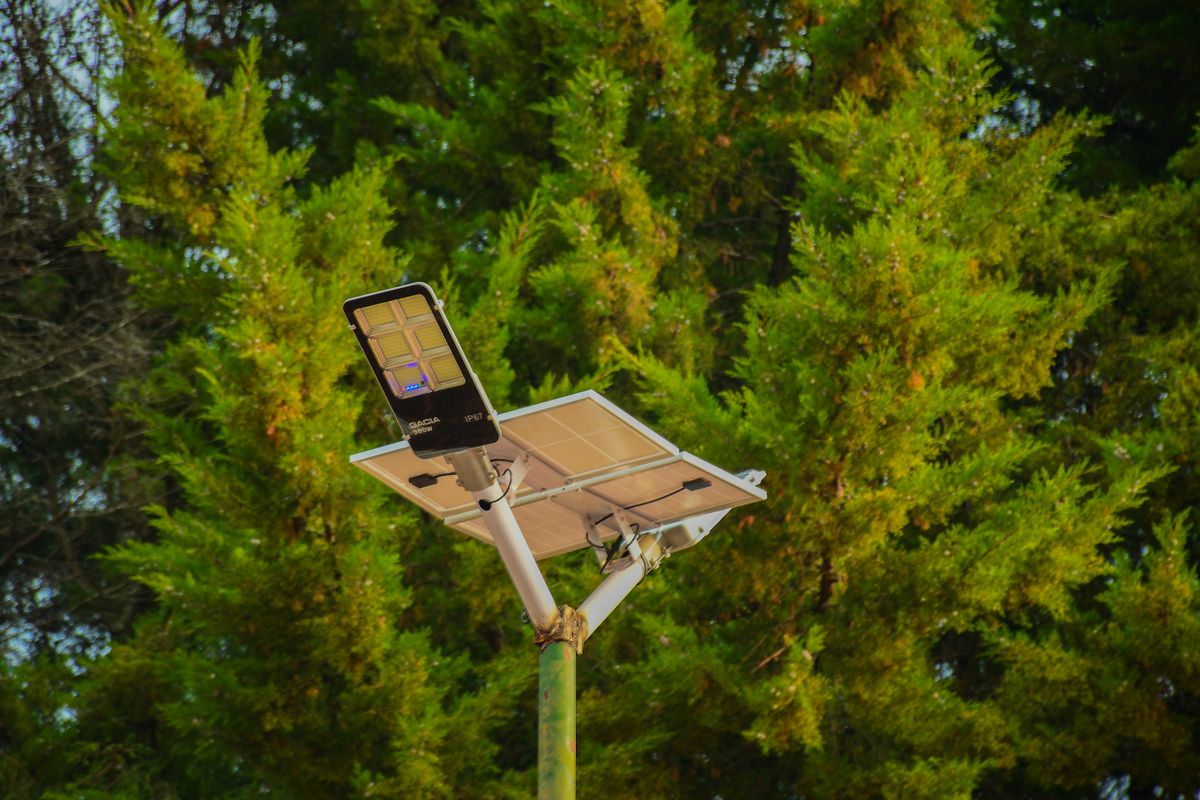
Photo by finix photographer on Pexels
While the rotational movement of Solar Windmill Stakes is primarily driven by aerodynamic force, the solar-charged battery serves as a secondary support system for the visual components and, in some hybrid models, a motorized assist. The physical spinning relies on the wind catching the metallic blades, but the lighting element—which defines the [metal solar windmill for yard](/blog/metal-solar-windmill-for-yard) aesthetic at night—is entirely dependent on the stored solar charge. I keep coming back to the observation that on cloudy days, the kinetic motion remains consistent if wind speeds are above 3-5 mph, though the LED brightness may diminish if the battery hasn't reached a full charge state. This intersection of mechanical wind power and stored solar energy allows the stakes to function as outdoor solar wind spinners that remain active regardless of the specific weather mix, provided the initial placement follows the guidelines for selecting solar windmill stakes that match your local climate.
Quick answers
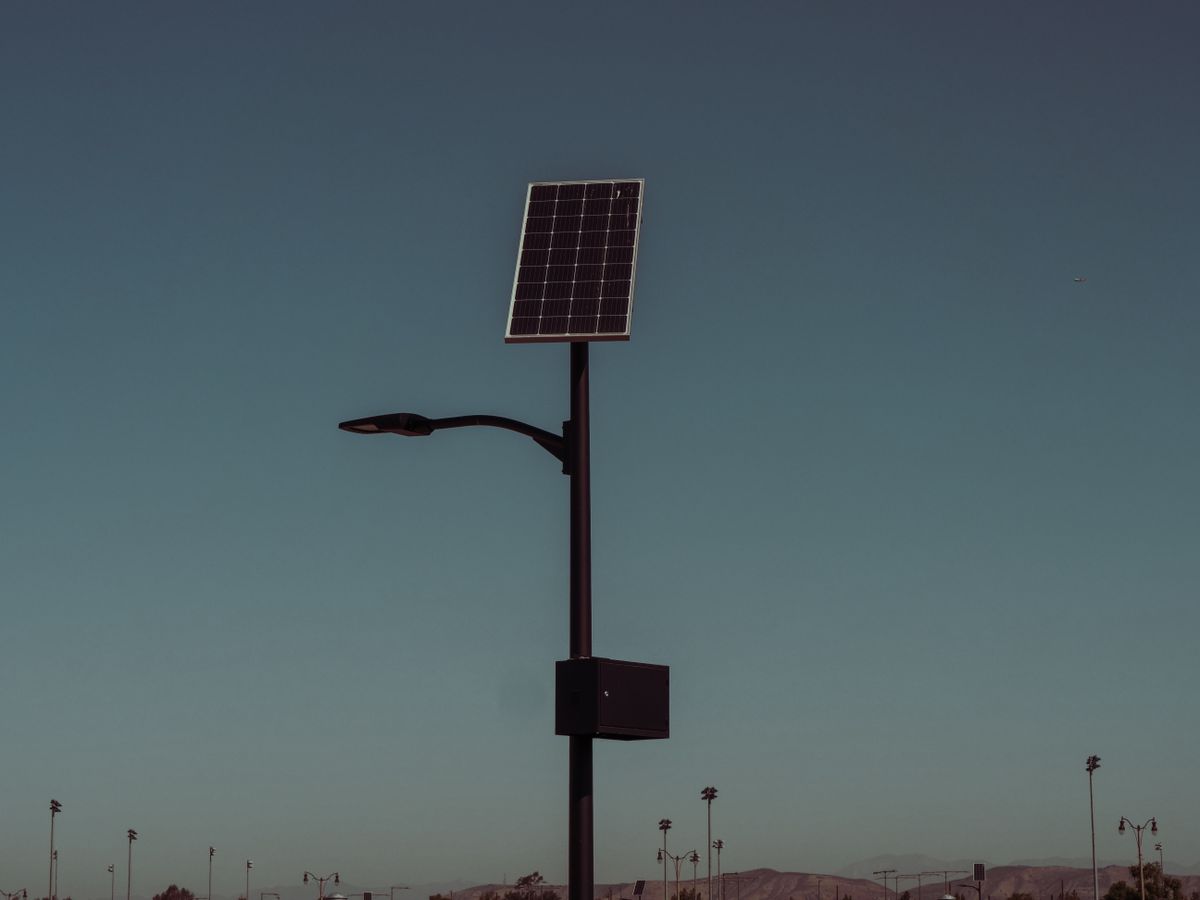
Photo by Kindel Media on Pexels
Q: How long do the lights stay on after a full day of sun? A: Most Solar Windmill Stakes are designed to provide between 8 and 10 hours of illumination when the battery has reached a 100% state of charge. This duration ensures the garden remains lit from sunset until the early morning hours.
Q: Does the windmill need to spin to charge the battery? A: No, the charging process is strictly photovoltaic and occurs through the solar panel regardless of whether the blades are spinning. The kinetic motion is a separate mechanical process powered by the wind, while the light is powered by the sun.
Q: What happens to the solar components during heavy rain? A: Solar Windmill Stakes are typically rated with an IP44 or IP65 waterproof certification, meaning the internal circuitry and battery compartments are sealed against moisture and debris. This allow the units to remain outdoors year-round in various weather conditions.
Learn more about Solar Windmill Stakes at https://solyrawindmill.com.