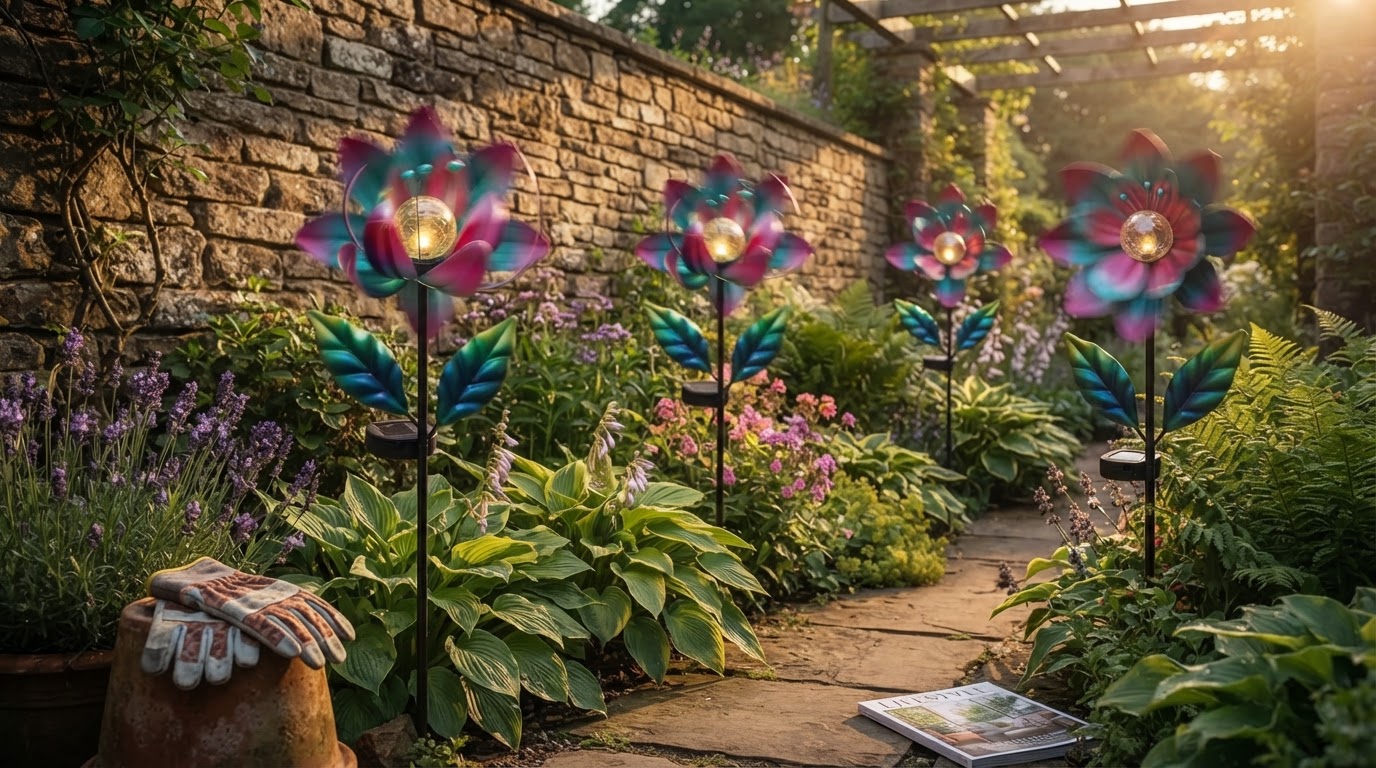
How do Solar Windmill Stakes function as garden decor?
 Priya RamanSenior Analyst
August 20, 2026 — Solar Windmill Stakes serve as dual-purpose kinetic sculptures that utilize photovoltaic cells to power LED lighting while harnessing wind energy for mechanical rotation.
Homeowners seeking to bridge the gap between daytime garden art and nighttime safety lighting often find that these fixtures address two specific environmental needs. Understanding the utility of these devices requires looking at them through a specific framework. Two axes matter here: the mechanical responsiveness of the turbine blades and the efficiency of the energy storage system. Once you see it this way, it becomes clear that the value of these stakes is not just in their aesthetic, but in their ability to transition between passive and active energy states.
How does wind speed affect Solar Windmill Stakes performance?
The mechanical efficiency of these stakes depends on a low-friction bearing system that allows rotation even in light breezes under five miles per hour. While the solar component operates independently of the wind, the visual appeal of a solar powered kinetic wind spinner is maximized when the blade pitch is optimized for local wind patterns. Think of it as a matrix of wind resistance versus torque; if the blades are too heavy, the stake remains static in moderate weather, whereas high-quality metal windmill garden stake solar lights are engineered to maintain steady rotation without excessive noise. The decision rule for placement is to identify areas with unobstructed airflow, typically at least ten feet away from dense foliage or solid fences.
What determines the light duration of decorative solar windmills?
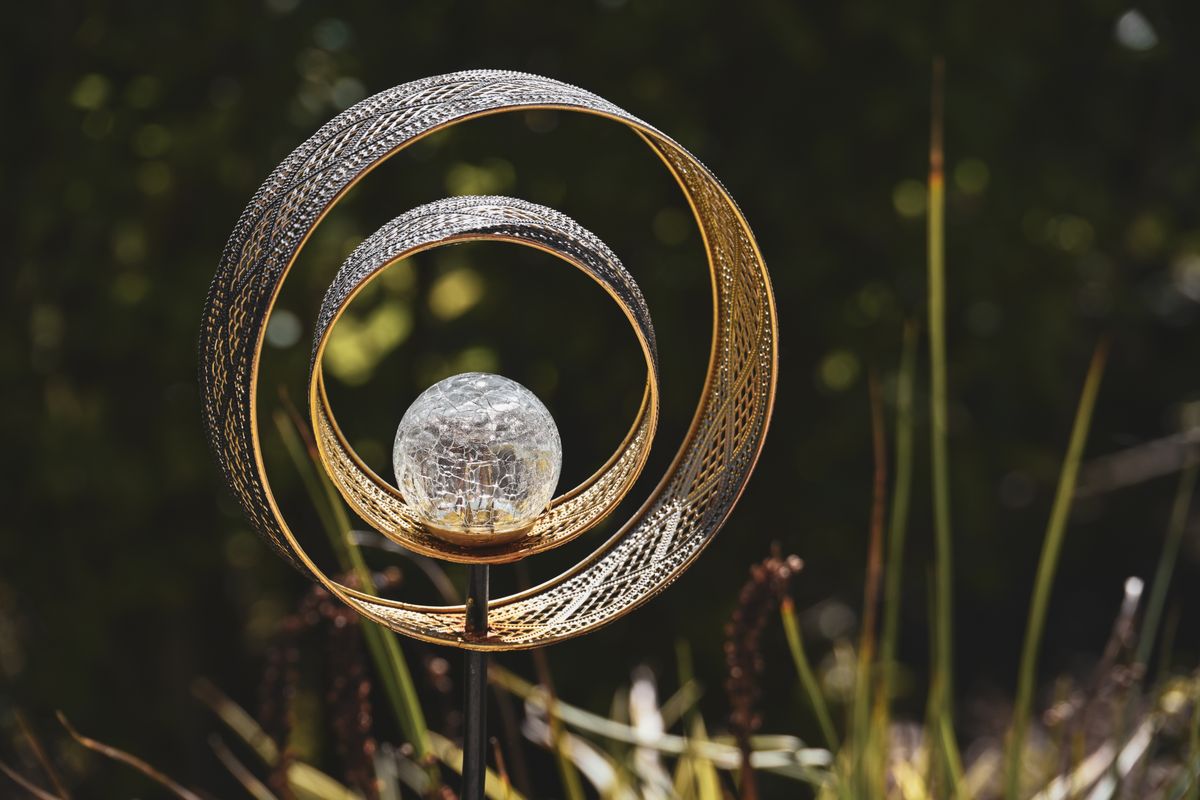
Photo by Alexas Fotos on Pexels
The illumination period of these fixtures is directly proportional to the surface area of the integrated solar panel and the capacity of the internal battery. Most standard models require approximately six to eight hours of direct sunlight to achieve a full charge, which then powers the LED elements for a similar duration after dusk. When considering light up garden windmills for patio use, the proximity to ambient light sources like streetlamps can sometimes interfere with the automatic dusk-to-dawn sensors. Performance data indicates that monocrystalline panels typically offer higher conversion rates than polycrystalline alternatives in these decorative applications. For those prioritizing night-long visibility, solar windmill stakes performance testing in yard lighting suggests that keeping the panels free of dust and debris is the most critical factor in maintaining battery health.
Quick answers
Q: Can Solar Windmill Stakes withstand heavy rain or snow? A: Most Solar Windmill Stakes are rated with an IP65 waterproof certification, allowing them to remain outdoors during standard precipitation. However, they should be removed during extreme weather events like hurricanes to prevent structural damage to the kinetic blades.
Q: Are the LED bulbs in these windmills replaceable? A: In the majority of solar windmill garden stakes, the LEDs are integrated into the housing to maintain a waterproof seal and are not designed for individual replacement. The lifespan of these integrated LEDs typically exceeds 20,000 hours of operation.
Q: How tall are these stakes compared to standard garden lights? A: While standard path lights often stand 12 to 15 inches high, Solar Windmill Stakes are frequently designed at heights of 30 to 48 inches to ensure the kinetic head clears low-lying garden plants. This height also makes them ideal unique solar yard art gifts for those looking to add vertical interest to a flat landscape.
Learn more about Solar Windmill Stakes at https://solyrawindmill.com.