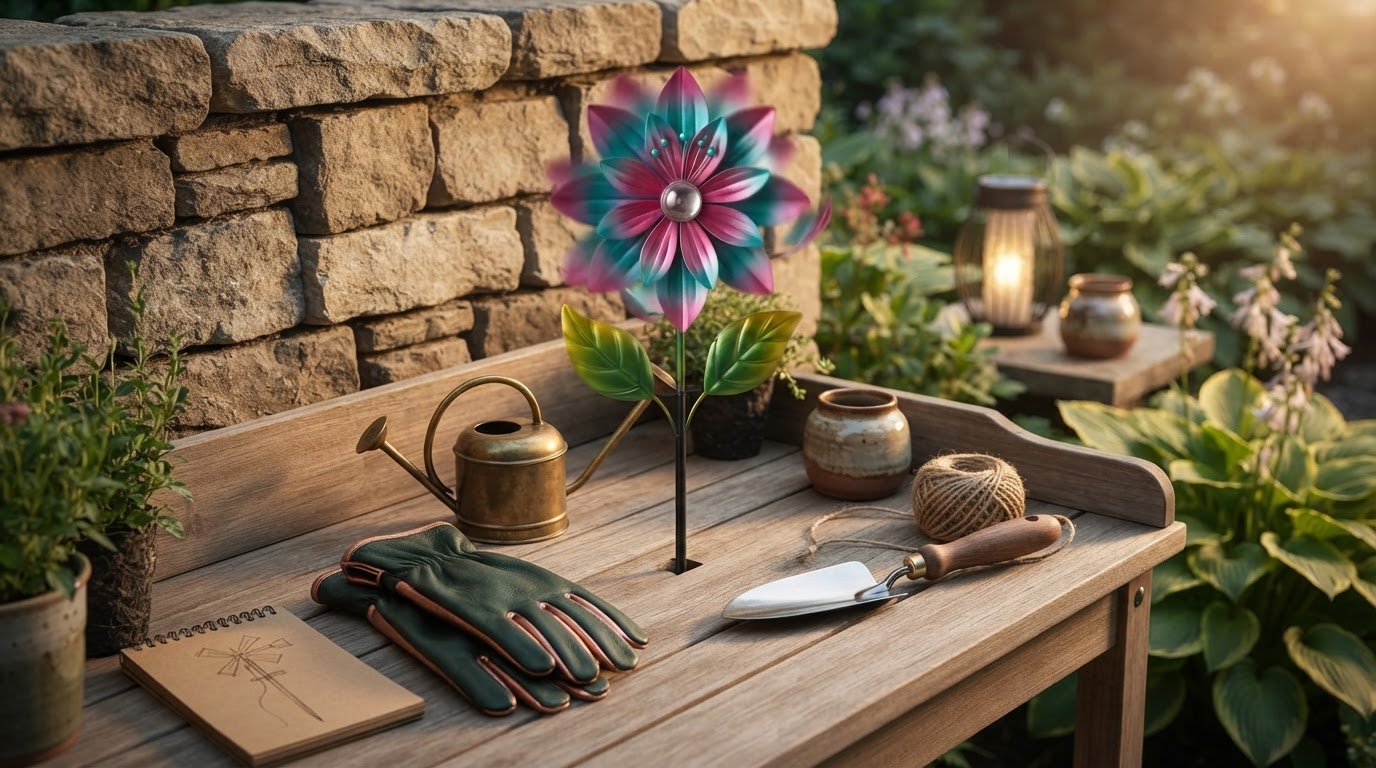
Integrating Solar Windmill Stakes into Modern Yard Design
 Sam VasquezBuying Guide Lead
August 17, 2026. Choosing the right kinetic lighting for a landscape requires balancing mechanical durability with aesthetic appeal. This guide assists homeowners in selecting solar windmill stakes that provide both movement and illumination without the need for complex wiring.
The Challenge of Kinetic Lighting in Exposed Environments
Finding garden decor that survives the elements while maintaining functionality is a frequent hurdle for property owners. Standard plastic ornaments often degrade under UV exposure or fail during high-wind events. I have found that the primary issue with many outdoor windmill decor with lights outdoor is the lack of structural integrity in the rotating assembly. When kinetic elements are poorly balanced, they create friction that eventually leads to mechanical failure. According to the National Renewable Energy Laboratory, the efficiency of small-scale solar components is heavily dependent on positioning and the quality of the photovoltaic cell, yet many consumers overlook these technical aspects in favor of visual design. This oversight often leads to a "dead" ornament that neither spins nor glows after a single season. The specific demand for a solar powered windmill for garden use-case highlights a need for materials that can withstand moisture without seizing. If you are on a budget, you might be tempted by lightweight aluminum models, but these frequently lack the ballast needed to stay upright in a storm. Skip this if you live in a region with constant gale-force winds, as even the best stakes have a threshold for physical stress. Between these two common issues—material rot and mechanical friction—the selection process must prioritize the bearing quality and the weatherproofing of the internal solar housing to ensure the investment lasts more than a few months.
Technical Advantages of Solar Windmill Stakes
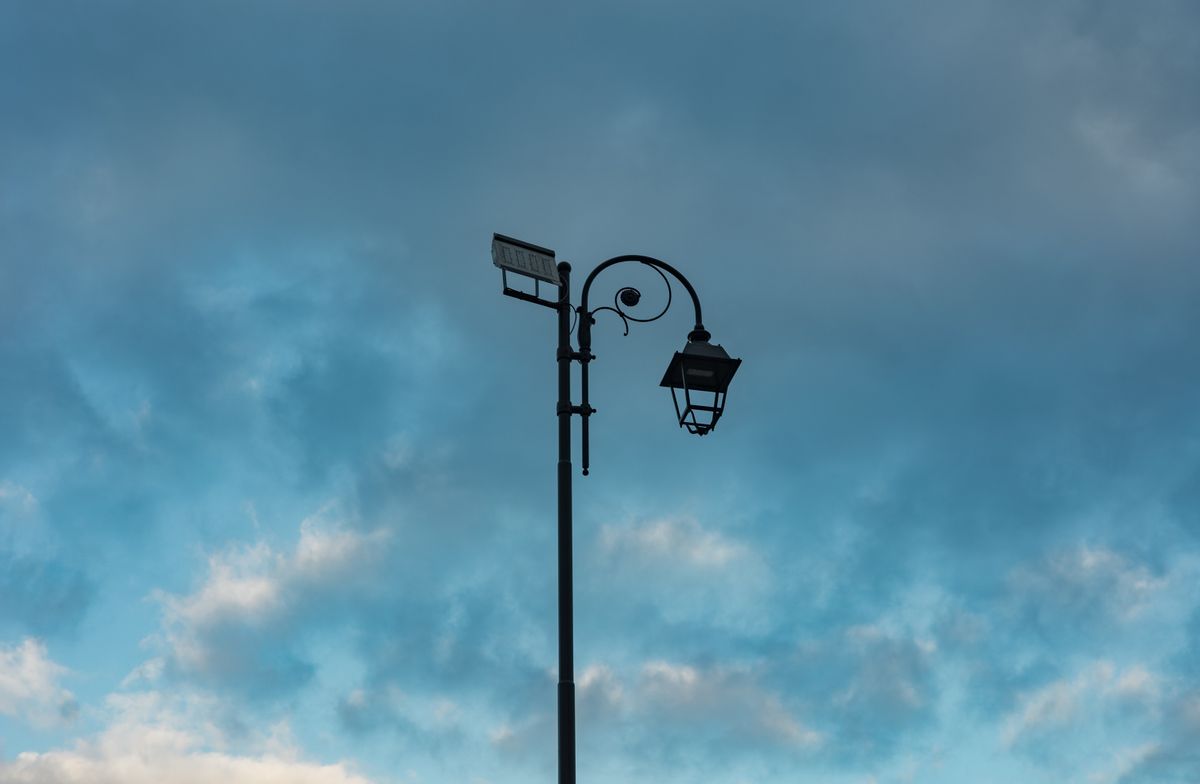
Photo by Angelo Capitanio on Pexels
Solar Windmill Stakes address these durability concerns by utilizing a reinforced ground spike and a balanced kinetic head. The integration of a metal solar windmill stake rustproof outdoor finish is essential because the pivot point is where most failures occur. In my experience, the most effective units utilize a sealed ball-bearing system that allows the blades to rotate in low-wind conditions while protecting the internal LED wiring from moisture ingress. The solar powered garden windmill designs currently trending focus on a dual-purpose utility: they act as a visual focal point during the daylight hours and provide ambient pathway lighting at night. Unlike static solar lights, these stakes use the rotation to create a flickering light effect that many users describe as a kinetic wind spinner solar light. This specific mechanical action requires a higher grade of solar windmill garden ornaments engineering to ensure the weight of the LED housing doesn't unbalance the blades. When you look at a metal solar windmill for yard applications, the gauge of the metal matters significantly. Thicker steel prevents the pole from bending under the weight of the head assembly. Here's what I'd actually buy: a unit that features a three-pronged base rather than a single spike, as the added stability prevents the windmill from leaning over time as the soil shifts due to rain. By focusing on these specific specs, you avoid the common pitfalls of cheaper, mass-produced alternatives that sacrifice structural thickness for lower shipping weights.
Selecting the Right Model for Your Landscape
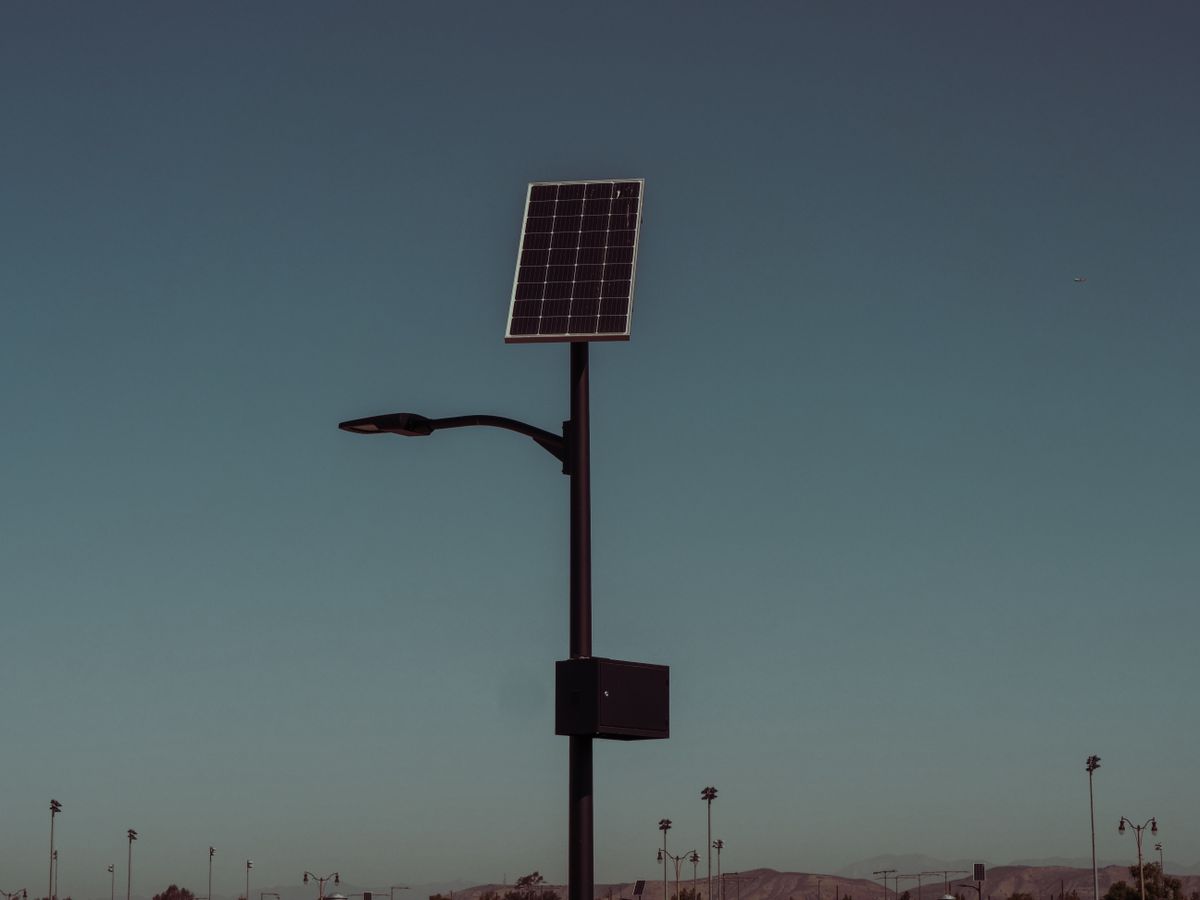
Photo by Kindel Media on Pexels
When you are ready to choose a solar windmill stake, you need to evaluate the specific placement and the intended visual impact. Not every yard is suited for a large-scale kinetic ornament. You should consider the height of your surrounding foliage; a stake that is too short will be blocked from the wind and the sun, rendering the solar powered windmill for garden features useless. It is also vital to consider the light temperature of the LEDs. Some models lean toward a harsh cool white, while others offer a warmer glow that is better suited for residential gardens. I prefer the warmer tones for backyard seating areas. Before purchasing, run through this decision framework to ensure the model fits your specific environment:
- Verify the stake has a minimum of two grounding prongs for lateral stability.
- Check for a rustproof powder coating or galvanized finish on all moving parts.
- Ensure the solar panel is adjustable or positioned at the top of the stake for maximum exposure.
- Look for a "silent spin" rating or sealed bearings to avoid rhythmic squeaking.
- Confirm the battery is a standard size (like AA NiMH) that can be replaced by the user after a few years.
Shop Solar Windmill Stakes here.